Water damage gets worse by the hour. What you do before a contractor even arrives often decides whether you’re repairing one wall or several units. This is the order we’d want a property manager or on-site team to work in.
Key takeaways
- Make it safe first, then stop the water.
- Always check the units below and beside the leak.
- Take photos before anything gets moved or cleaned up.
- The clock on drying starts when the water starts, not when someone finds it.
1. Make sure it’s safe
Before anyone walks into standing water, think about electricity. If water is near outlets, panels or appliances, or a ceiling is sagging, keep people out. Shut off power to the area only if you can get to the breaker without crossing wet floors. If you smell gas or can’t make the area safe, get people out and call the fire department or the utility.
If the water came from a sewer or drain backup, treat it as contaminated. Keep residents away from it and don’t try to clean it up with household supplies.
2. Stop the water
Close the nearest valve that stops the flow: the fixture shutoff, then the unit shutoff, then the building main. If you don’t know where they are, this is the moment you’ll wish you’d labeled them, so add it to your list for later.
If the leak is coming from a unit above, get into that unit. The water source is often not where the water is showing up.
3. Check every unit it could reach
Water rarely stops at one unit. It follows pipes, runs down wall cavities, and comes through ceilings.
- Knock on the doors below and beside the leak, even if nobody has called.
- Look at ceilings, baseboards and flooring for dark spots or swelling.
- Keep a simple list of which units were affected and when you checked them.
4. Protect what’s still dry
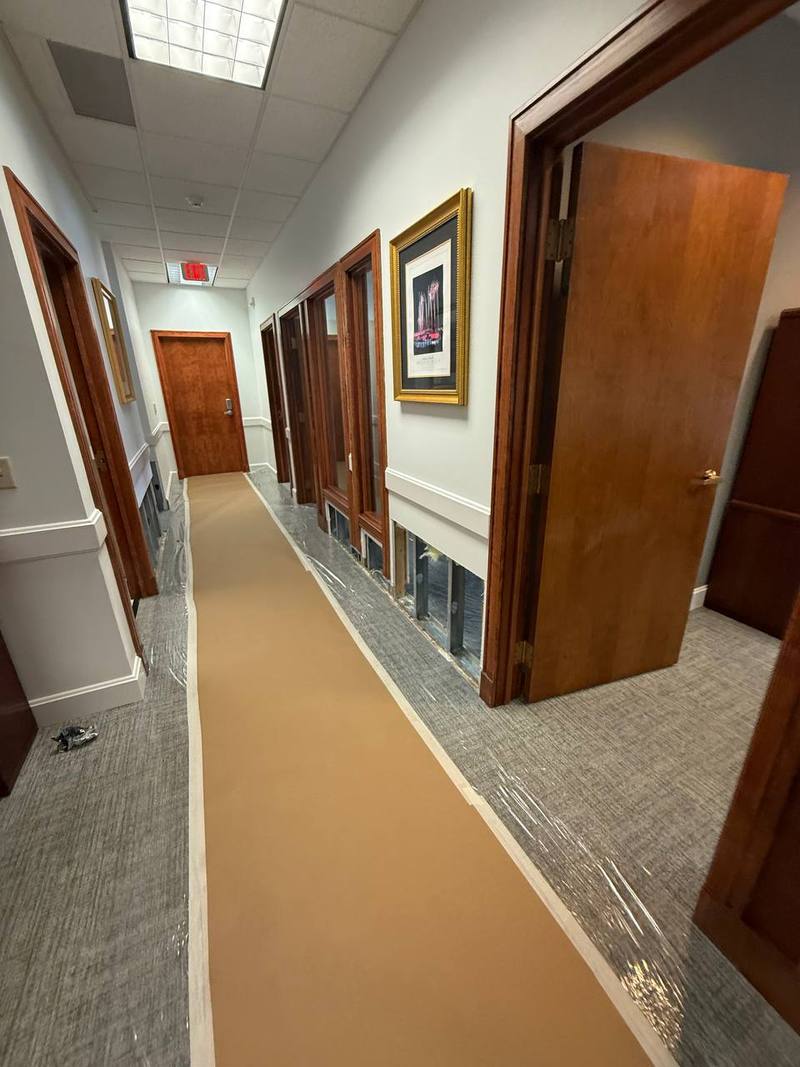
Move furniture, rugs and residents’ belongings out of the wet area if it’s safe. Lift items off wet carpet. Cover what can’t be moved. Put down plastic or paper where people will be walking through, so the water and dirt don’t get tracked into dry areas.
5. Document it before it’s gone
Take photos and short videos of the source, the wet areas, and any damaged belongings, before cleanup begins. Note the time you found it and the time the water was shut off. Your owner, your insurance adjuster and your records will all want this later, and nobody can recreate it after the fact.
6. Make the calls
- Your emergency maintenance vendor, to extract water and start drying.
- The owner or asset manager, so they aren’t surprised.
- Your insurance agent, if the damage looks like it may be worth a claim. Ask what they need before repairs begin.
- Affected residents, with what you know, what’s next, and who to contact.
Which water damage events are covered, and who’s responsible for what in a rental, depends on your policy, your lease and your situation. Check with your insurance agent or attorney. This isn’t legal or insurance advice.
7. Get the structure drying
The EPA’s mold guidance recommends drying water-damaged materials within 24 to 48 hours to help prevent mold growth. That’s why an extraction and some fans aren’t always enough. Carpet can look dry while the pad under it is soaked, and drywall can hold water in the cavity behind it.
If wet drywall or insulation won’t dry quickly, it usually has to come out. We explain how that works in what a flood cut is and why it’s done.
Common mistakes
- Only drying the unit that called it in. The unit below might not know yet.
- Painting over a stain. If the cavity behind it is still wet, it’ll come back, possibly as mold.
- Using a household vacuum on water. Use equipment that’s made for it, and never use it around standing water near live power.
- Waiting until morning. Water that runs or sits overnight spreads further and takes longer to dry.
How we can help
Our water damage repair work runs from the first call through the final coat of paint. We stop the spread, open up and dry the structure, and rebuild the drywall, texture, trim, paint and flooring ourselves, so you aren’t handing the job to a second contractor. We photograph conditions before, during and after for your owner or adjuster.
Our phone line runs 24/7, and for emergencies we’re typically on site in under 2 hours, though it depends on the property’s location and what’s going on. If there’s water in a unit right now, call (217) 246-7583.