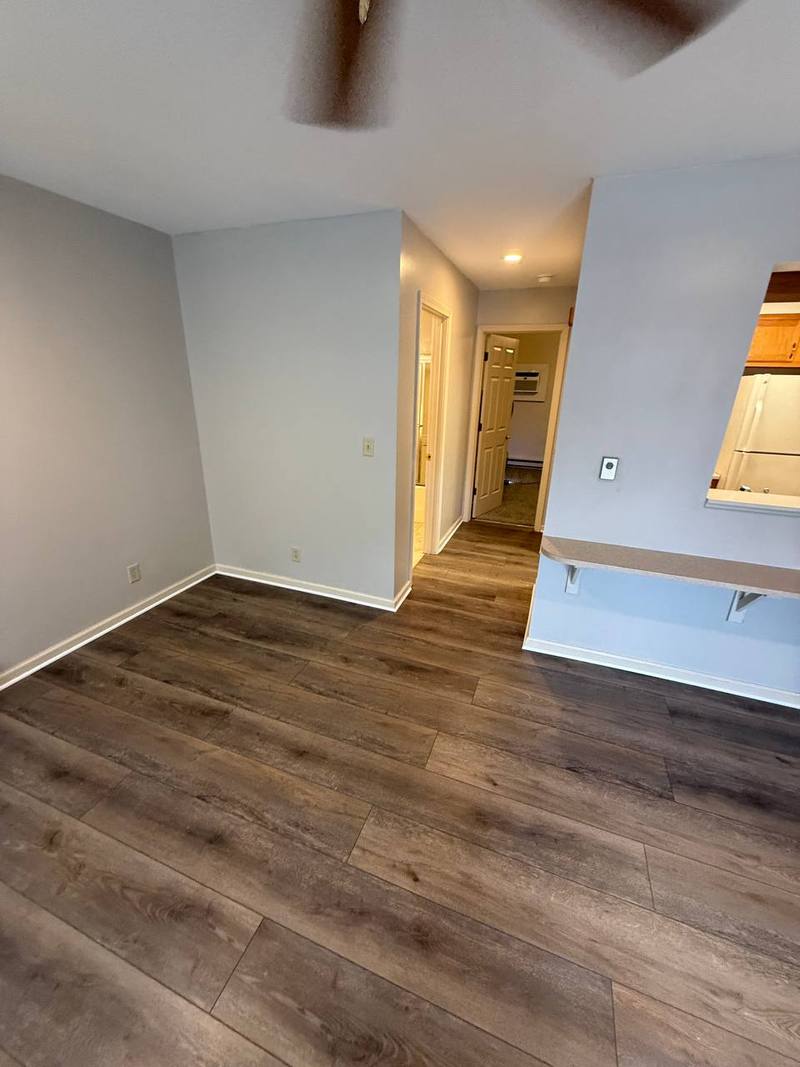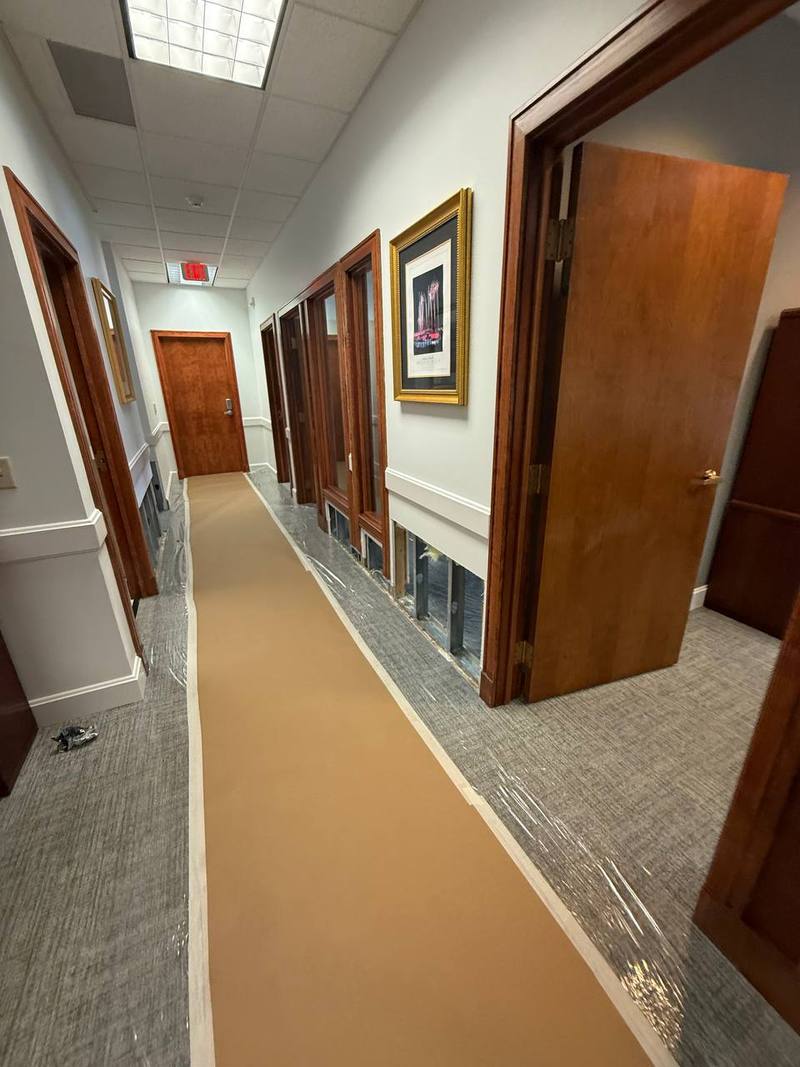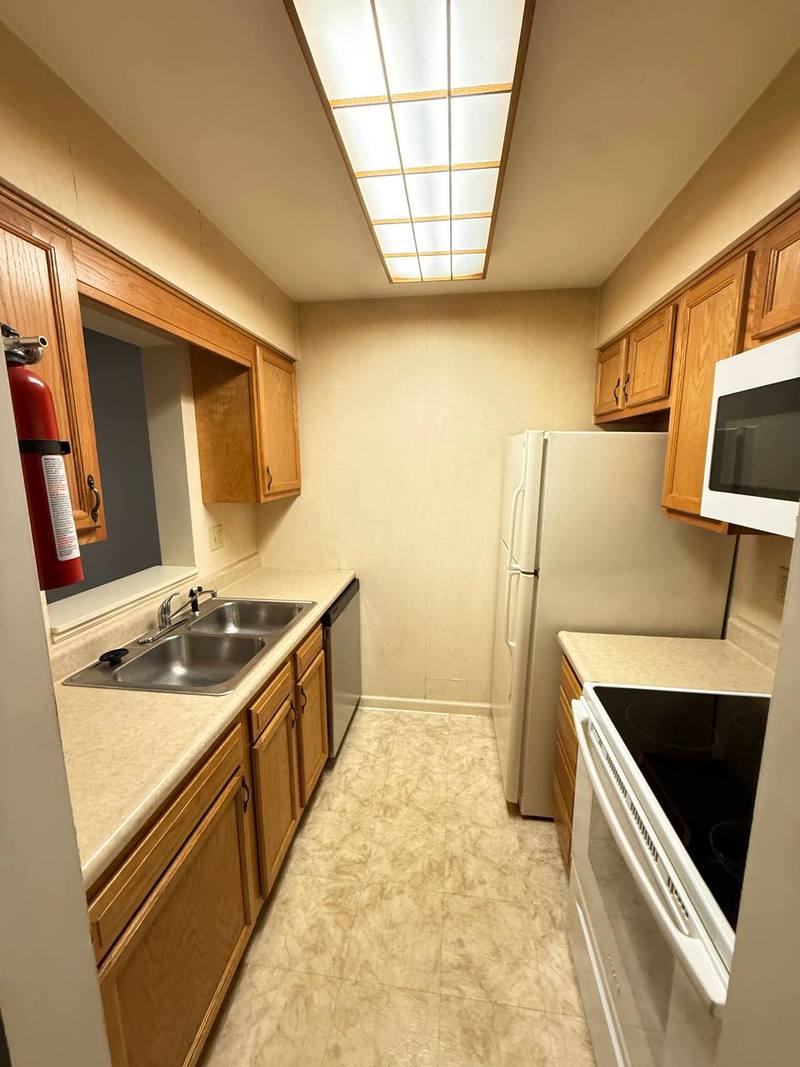
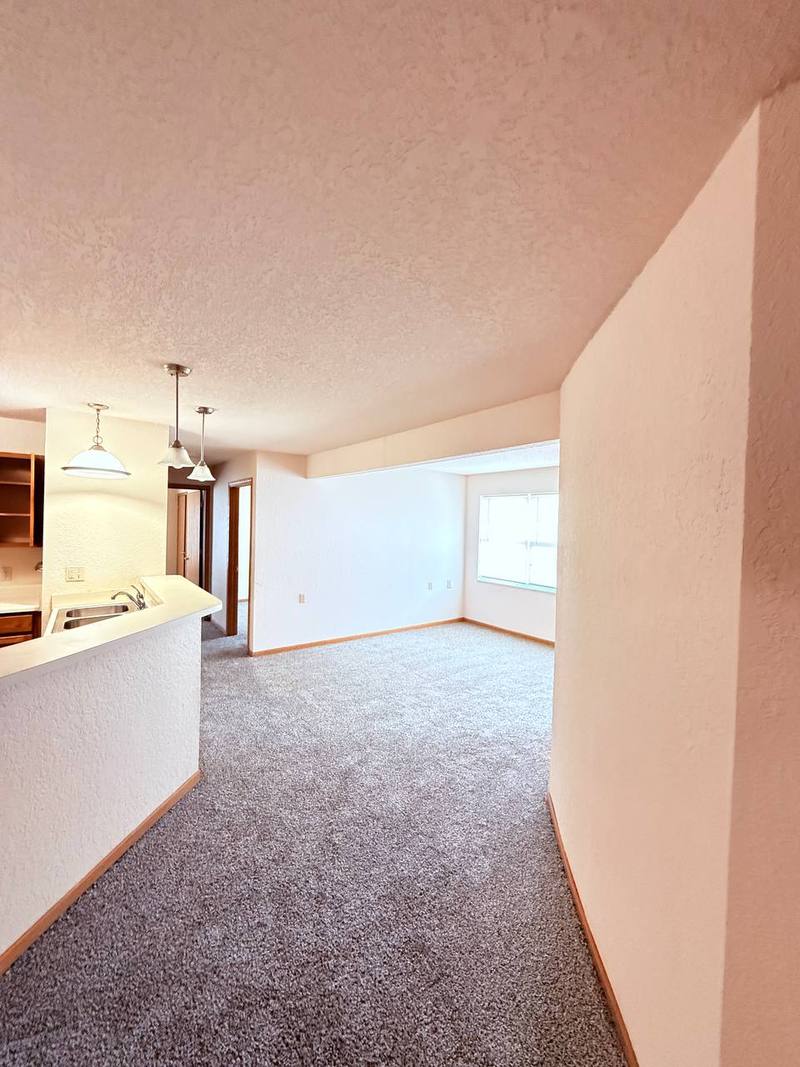
A regular apartment community turns units a few at a time, all year. Student housing can turn most of the building in one short stretch, with last year’s residents moving out and new ones arriving not long after. In college towns like Charleston and Champaign-Urbana, those windows are often back-to-back.
You can’t add days to the calendar, so you win this one on planning. The work that makes turn season go smoothly happens well before the first move-out.
Key takeaways
- Plan from your lease dates backward, and start months early.
- Use pre-move-out inspections to sort units by how much work they’ll need.
- Buy common materials ahead of time.
- Decide in advance what happens to the units that run late.
Build the calendar backward
Start with the date new residents get keys, and work backward. Then put these dates on one shared calendar:
- Move-out date for each lease
- Pre-move-out inspection dates
- Material order and delivery dates
- Vendor crew dates, by building
- A final walk-through date for each unit
Book your vendors early. Every property in a college town tends to need help during the same few weeks.
Inspect before move-out
The biggest time-saver is knowing what you’re getting into. Walk units ahead of time and sort them into groups:
| Group | Typical scope |
|---|---|
| Light | Clean, touch-up paint, small repairs |
| Medium | Clean, full paint, carpet cleaning or some flooring |
| Heavy | Damage repairs, new flooring, appliance work, moisture issues |
Now you know where your risk is. Heavy units get scheduled first, so you find out about surprises while there’s still time to do something about them. Light units fill in around them.
Pre-move-out inspections also give residents a chance to fix their own damage and clean up, which can shrink your list. Follow your lease and Illinois notice rules for entering units. If you’re unsure, ask your attorney.
Buy materials early
Materials running out in the last week is a common reason a unit misses its date.
- Standardize paint colors and products across the property, if you haven’t already.
- Stock carpet, LVP, filters, smoke alarms, blinds and window screens based on last year’s use.
- Order appliances that you know are near the end of their life, rather than waiting for them to fail.
Sequence the building, not just the unit
Inside each unit, it helps to follow a standard order: trash out, repairs, paint, flooring, final clean. See our make-ready turnover checklist for the full list.
Across a building, try to keep crews moving in one direction, floor by floor or building by building, rather than bouncing around. It cuts down on hauling materials and reduces mistakes about which unit got what.
Plan for the units that run late
Something will always run late. A resident doesn’t leave on time, or a unit has damage nobody saw. Decide ahead of time:
- Who makes the call that a unit won’t be ready?
- What will you tell the incoming resident, and when?
- Do you have a spare unit they can use for a night or two?
- Who can you call for a same-day crew?
We offer a rush option for moments like this: a modest upcharge to move a project to the top of the calendar, normally same or next-day, even if that means working overnight or scheduling an extra crew.
After the season
Within a couple of weeks, while it’s fresh, write down what went wrong, which units ate the most time, and what ran out. Then start next year’s calendar from those notes.
It’s also worth looking at whether any recurring issues should move to the off-season. Failing appliances, worn carpet and bad caulk are all easier to deal with when you aren’t racing a move-in date.
Getting help with turn season
Student housing’s lease-cycle demands are one of the property types our turnover and recurring maintenance services are built for. We’ve turned apartments in Charleston, and around Eastern Illinois University we schedule turnover work to match the academic-year cycle.
If you’d like to get on the calendar before the rush, send us your unit count and lease dates and we’ll follow up.