#00094 min read
Bathroom Remodel in Shelbyville, IL: Case Study
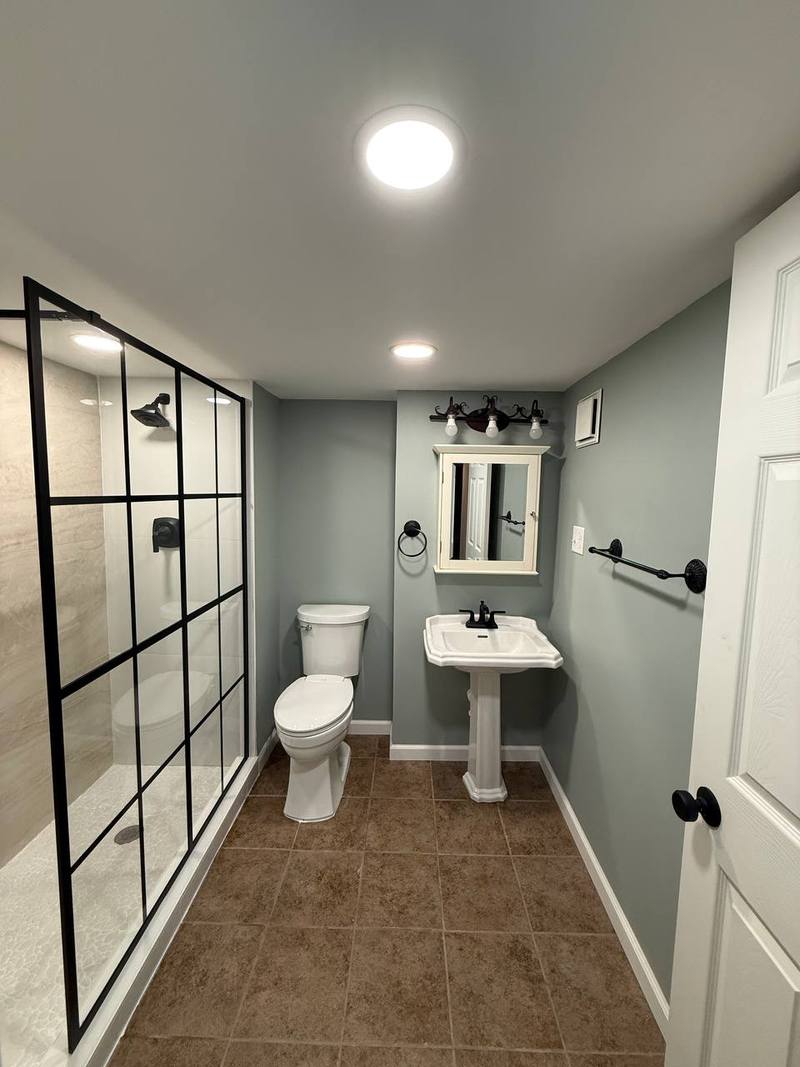
How we gutted a dated Shelbyville bathroom to the studs and rebuilt it with a walk-in shower, large-format tile and a glass block window. Before and after photos.
 ERICKSONProperty Maintenance
Practical guidance for property managers and owners across Central Illinois: turnovers, repairs, water damage, mold, and keeping small problems small.
Latest
How we gutted a dated Shelbyville bathroom to the studs and rebuilt it with a walk-in shower, large-format tile and a glass block window. Before and after photos.
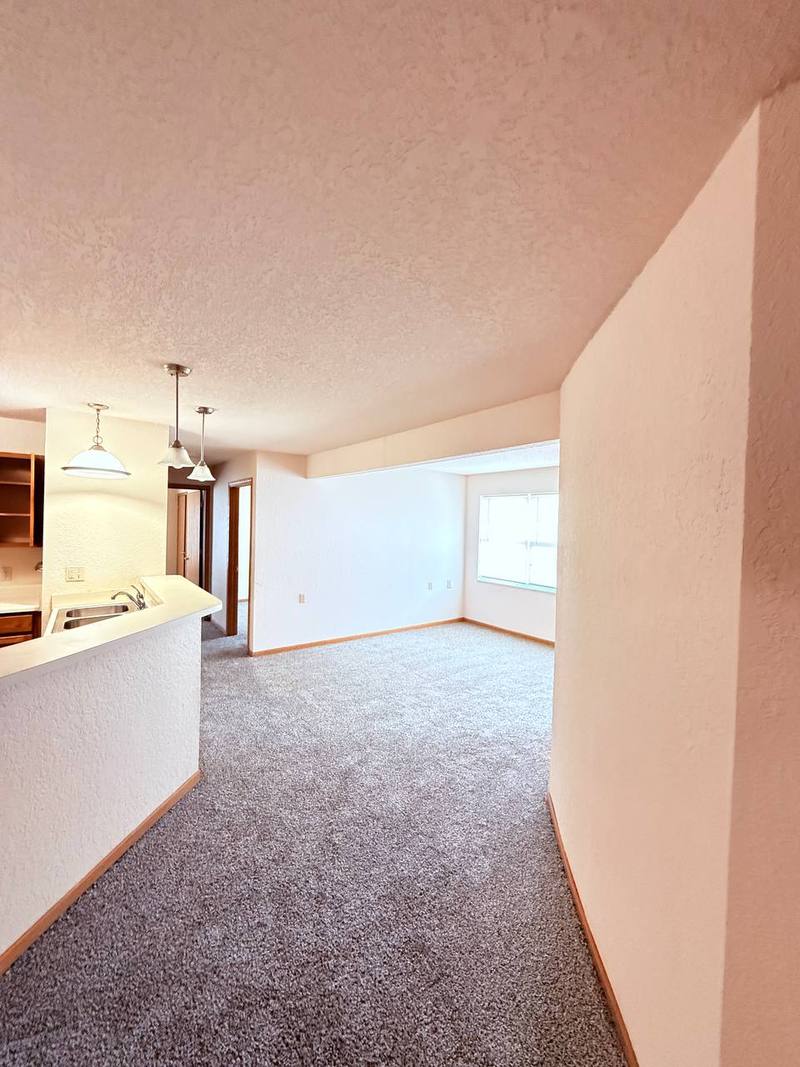
When every lease ends at once, the planning matters as much as the labor. How to scope, sequence and schedule back-to-back student housing turns.
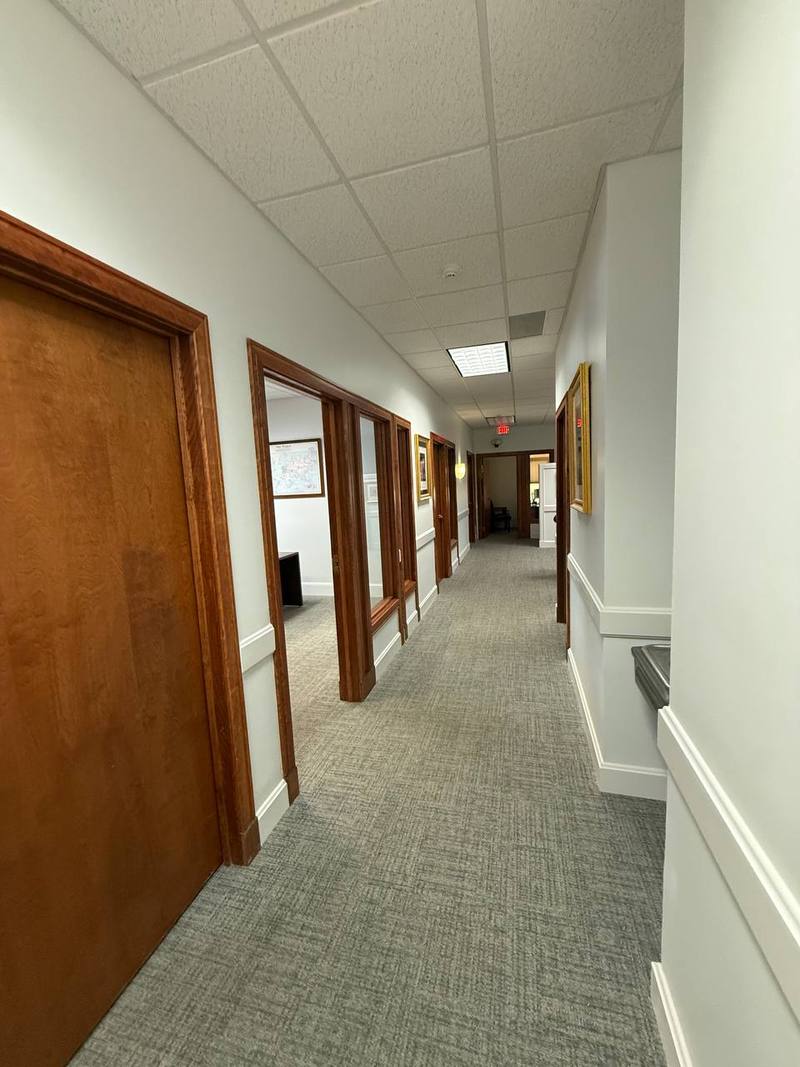
How we repaired a water leak that soaked the hallway and private offices of a working bank office, with before and after photos of each step.
Erickson Property Maintenance is now BBB accredited with an A+ rating. Here's what that means, what it doesn't, and how to check out any contractor you hire.
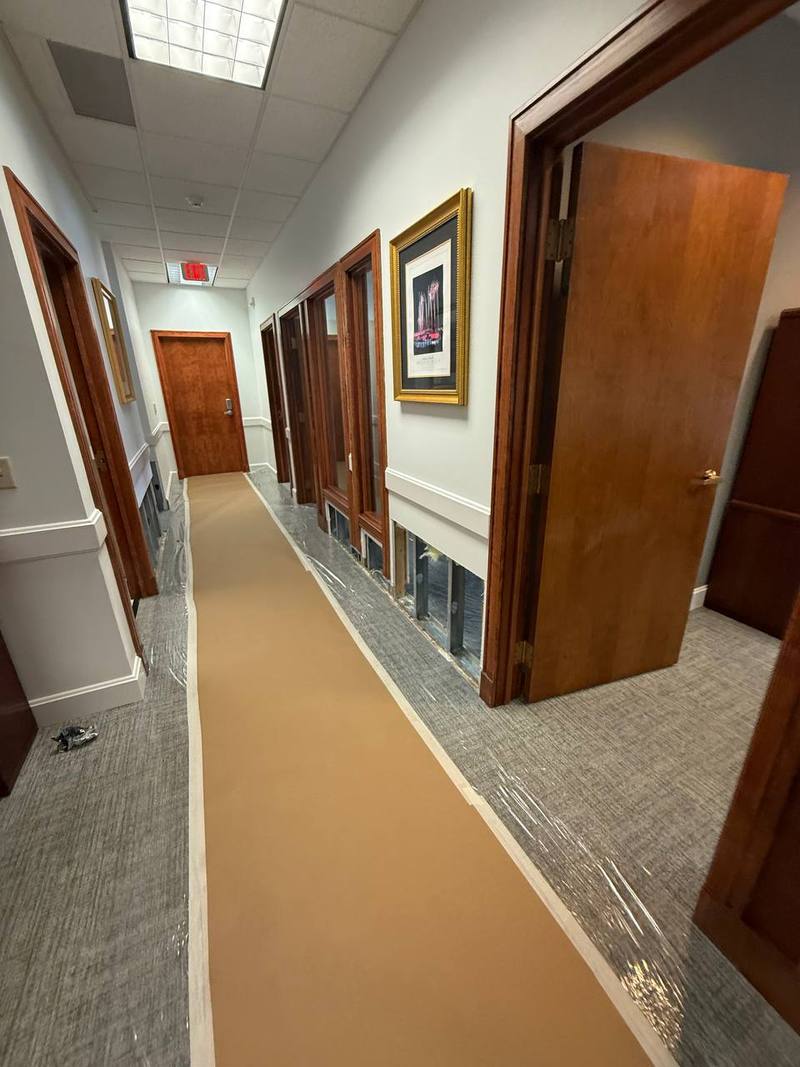
A step-by-step plan for property managers: stop the water, protect the units below, document everything, and get the structure drying fast.
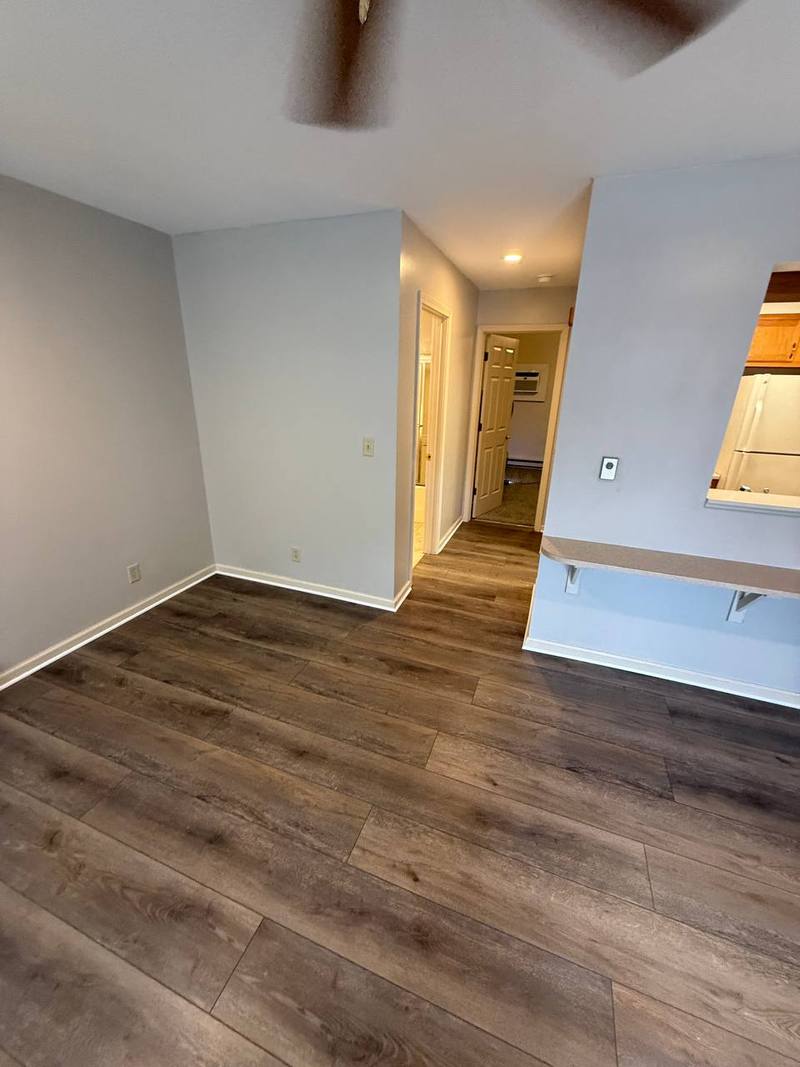
A room-by-room make-ready checklist for apartments, plus what drives the cost of a turn, from a crew that does this work.
Questions
It varies by location, property and what needs doing. A rough ballpark is $0.50 to $5 per square foot. Light cleanings and basic maintenance may be as low as $250, while full remodels with new carpet, paint and appliances may be $5,000 or more.
Generally, it's anything after hours that puts a unit, a building or a resident's safety at risk and can't wait for a scheduled visit. That includes active water leaks, heating or cooling failures, lockouts and urgent repairs. If there's a gas smell, fire or immediate danger, residents should call 911 first.
A flood cut means removing the lower part of a wet wall, usually a foot or two above the water line, so the wall cavity and insulation can dry. It's done because drywall and insulation hold water that fans can't reach. Once it's dry, new insulation and drywall go in, and the seam is finished, textured and painted to match.
Not as a real fix. Paint, including mold-resistant paint, can hide mold for a while, but it doesn't remove what's there or stop the moisture that's feeding it. Find and fix the moisture source first, remove affected porous materials like drywall, clean what stays, and only then paint.