If you’ve got a bathroom that gets scrubbed and painted every year, and the mold is back by the next one, the cleaning isn’t failing. It’s treating the wrong problem. Mold in a rental is usually a moisture problem first.
Key takeaways
- Mold returns when the moisture source is still there.
- Paint and spray can hide mold for a while, but they don’t fix anything behind the surface.
- Porous materials that are affected usually need to come out.
- Keep records of what you found and fixed.
Find the moisture first
Before anybody treats anything, find out where the water’s coming from. These are the usual causes we see in rental properties:
- Bathrooms without working ventilation. A fan that’s loud doesn’t necessarily move air. Hold a square of toilet paper up to the grille while it runs. If it doesn’t hold there, the fan probably isn’t doing much.
- Window condensation. Failed seals, or cold glass in a humid room, can drip into the sill and the wall below it.
- Slow plumbing leaks. A supply line or drain under a sink can leak for months without anyone reporting it.
- Failed caulk. Around a tub or shower, it lets water behind the surround.
- Roof, window and siding leaks. These often show up as a stained ceiling or soft drywall a long way from the actual entry point.
- Earlier water damage that didn’t get dried. Wet drywall and insulation left in a wall after a leak are a common source.
- Damp basements and crawlspaces. Mold can spread there unnoticed until a resident complains.
Why painting over it doesn’t work
Spraying and painting over mold hides it for a few months. When drywall or insulation is affected, what you can see may be only part of it, and the surface treatment doesn’t reach the back of the wallboard.
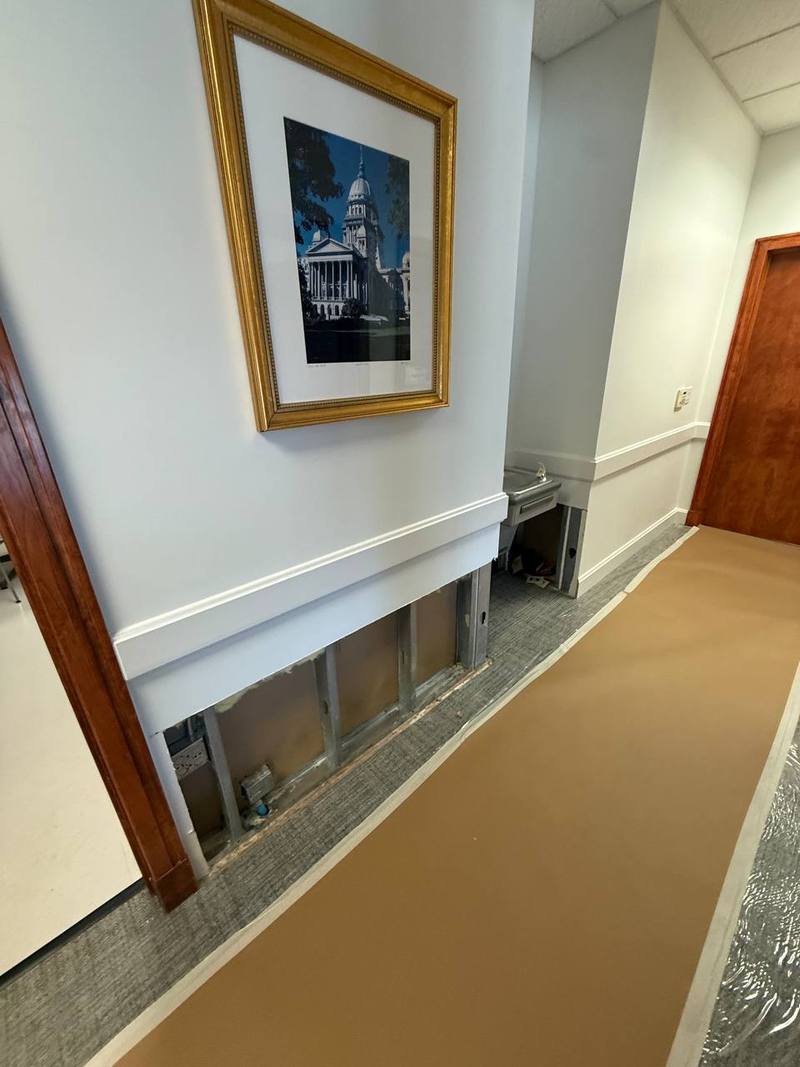
Hard, non-porous surfaces like tile and glass can generally be cleaned. Porous materials like drywall and insulation are a different story. When they’re affected, the reliable fix is to cut them out, dry and treat the cavity, and put the wall back together with new materials.
What a real fix looks like
Here’s the process we follow on mold remediation jobs:
- Find the moisture source. If the source isn’t fixed, the mold comes back.
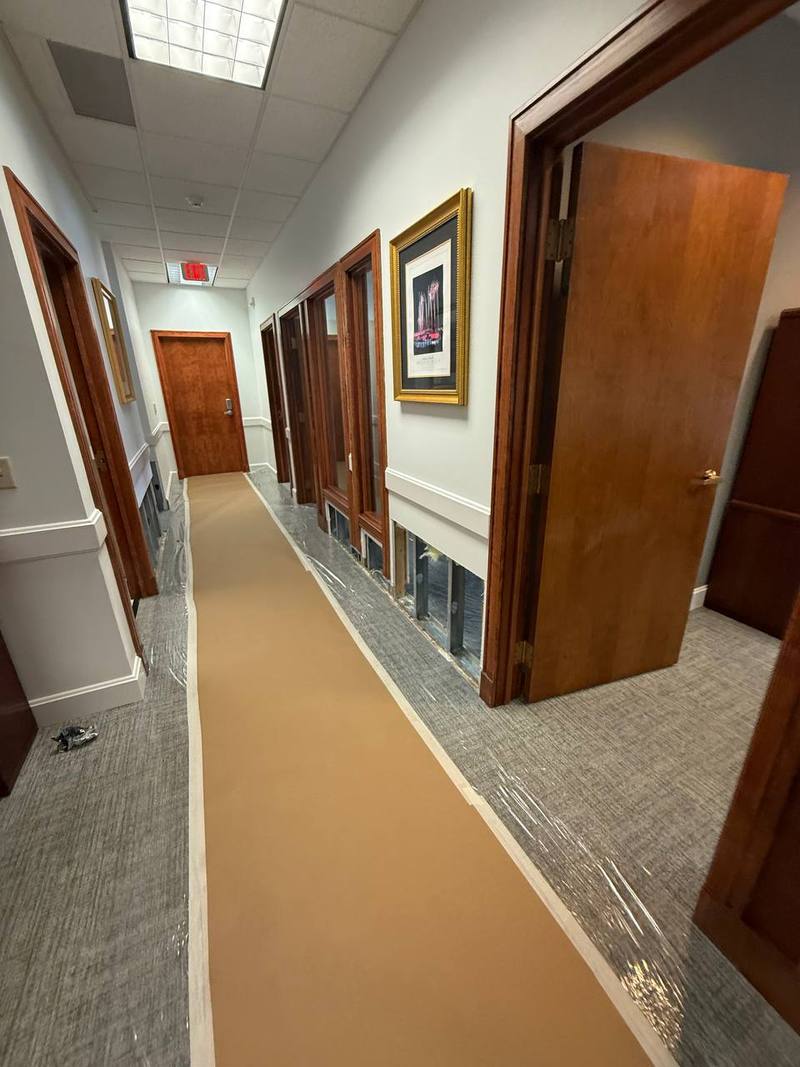
- Contain the area. Isolate the work so spores and dust don’t spread to the rest of the unit or building.
- Remove and treat. Remove affected drywall, insulation and other porous materials, and clean and treat what stays.
- Repair and prevent. Fix the cause, rebuild the walls and finishes, and add the unit to your recurring checks if needed.
How to catch it earlier
- Check hotspots on every turn. Look near sinks and windows, and under them too. We do this on every turnover, because an empty unit is the easiest time to deal with it.
- Track repeat units. If the same address appears on your work orders twice, stop treating it as a cleaning problem.
- Make it easy for residents to report it. A resident who tells you about a damp spot early is doing you a favor.
- Explain ventilation. Ask residents to run the fan during showers and leave it on for a while afterward. Then make sure the fan works.
- Add problem units to your maintenance schedule, so small moisture issues get caught early.
Handling resident complaints
Take mold complaints seriously and respond quickly. Look at it in person, take photos, write down what you found and what you did, and tell the resident what’s happening next. A fast, documented response protects your residents and gives you a record of what was found and fixed.
Your obligations as an owner or manager depend on your lease and on state and local rules, so ask your attorney if you have a specific concern. This is general information, not legal or health advice. If a resident has health concerns, they should talk to their doctor.
Need a second set of eyes?
Our crews are trained in mold remediation, and the same team does the rebuild, so the unit’s finished when we leave. For small contained areas, residents usually don’t have to move out. Larger jobs may need the unit empty while we work, and we’ll tell you up front once we’ve seen it.
If you’ve found mold at one of your properties, send us a message or call (217) 246-7583 and we’ll take a look and give you a clear scope.